Ground Cover is a weekly roundup of everything that matters for nature in Britain. Become a member to read every edition in full.
Thanks to everyone who sent well wishes last week. I am now virus-free and back to work. I've included some of the most interesting stories from last week in today's edition to make up for my absence.
Interesting, of course, being a subjective term. Our readers harbour diverse passions when it comes to the natural world. Some of you love the politics, others local activism, and some the science. You variously care about rivers, oceans, rewilding, peatland, woodland, wildlife, farming, and so on. I try to keep our coverage broad enough to touch on all these bases.
But I’ll admit to my own biases. As those of you who have read my book will know, I love stories that combine ecology with history, and I will always include anything that explores the past as the basis for restoration. (Palaeoecologists out there, take note.) So this week was a real treat for me: a deep history of England’s grasslands, a new study on using history in peatland restoration, and the benefits of historic masonry for nature.
Not into all that old stuff? We also have new data on UK biodiversity, temperate rainforest restoration, pollinators, parakeets, and more. Dive in! And don't forget to share. Most of our new readers come through personal recommendations, so if you know someone who’d enjoy Ground Cover, please forward it on.
A reminder that you can now purchase gift subscriptions to Inkcap. You can even write a personal message and schedule it to arrive with the recipient on a specific day – December 25, as a totally random example.
National news
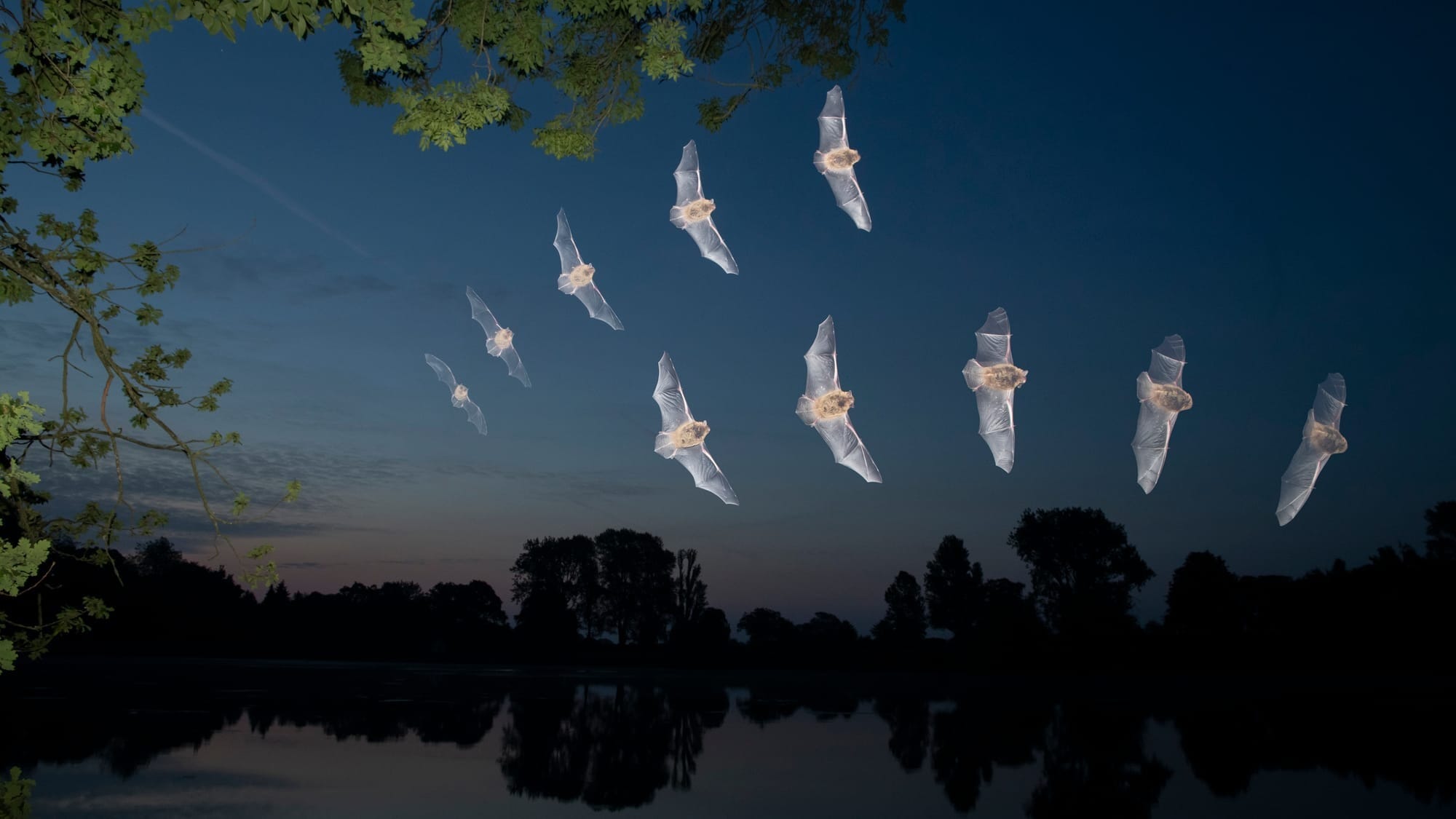
Indicators | The latest UK Biodiversity Indicators were published this week by JNCC, including new data for 14 of the 28 categories. There were some small glimmers of good news: bat numbers, for instance, have risen over both the short and long term. However, the condition of biodiversity in general has declined. Farmland birds have fallen by almost two-thirds since 1970, while seabird numbers have more than halved since the 1980s. ‘This biodiversity report makes for grim reading and is a depressing reminder that Britain’s wildlife is disappearing from the places where it should be thriving,’ said Matthew Browne of the Wildlife Trusts. Defra also published the England Biodiversity Indicators, with updates on wild birds, butterflies, bats, plants, and priority species and habitats.
Birds | The government is failing in its legal duty to protect wild birds, according to the Office for Environmental Protection. The watchdog found that Defra and Natural England have not carried out measures – some recommended as far back as 2001 – to make the network of Special Protection Areas (SPAs) for birds sufficient. These include designating new sites, extending existing ones and adding qualifying species to the sites already protected. Defra and Natural England now have two months to respond. The OEP says it will try to resolve the failures through dialogue, but can take court action if necessary. ‘The time for navel-gazing has long passed; the time for taking action is now, before it is too late,’ said Beccy Speight of the RSPB. The Guardian covered the news.
COP31 | COP31, the UN’s annual climate summit, is drawing to a close in Antalya, Türkiye, though with a deal still elusive, talks may well overrun. In his speech, Andy Burnham said ‘Britain is back and ready to play its full part’. Last week, a handful of countries blocked a deal on tackling the climate and nature crises together. But the first draft of the summit’s main agreement called on countries to do just that, and renewed the call to end deforestation by 2030. Environmental groups urged negotiators to keep that language; however, a revised draft published on Thursday weakened the language on forests and on tackling climate and nature together, and dropped all mention of fossil fuels. Meanwhile, 25 countries, not including the UK, have endorsed a Wildlife for Climate Declaration, the first at a UN climate summit to promote protecting wildlife as climate action. The UK must also put wildlife recovery ‘at the heart of its climate policies,’ said Zoe Quiroz Cullen of the Wildlife Trusts.
This is where the paywall interrupts. To unlock the full newsletter, become a member. You'll be rewarded with weekly in-depth insights on the natural world from across Britain – and supporting independent environmental journalism to boot.